CLEAT FIT GUIDE
Do Soccer Cleats Stretch? Leather, Synthetic and Fit Limits
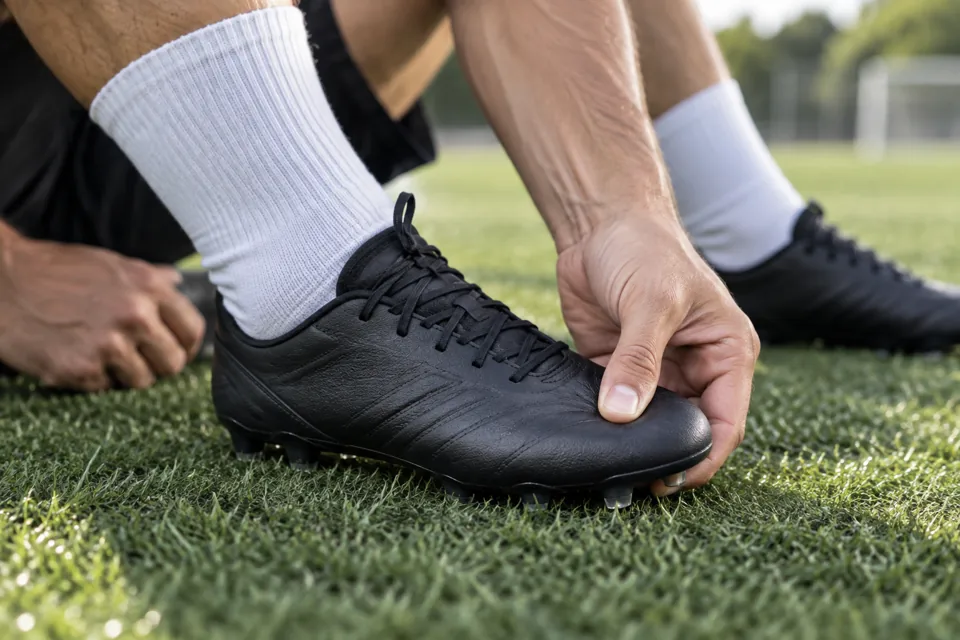
Many soccer cleats soften or give a little with wear, especially where the upper flexes. That is different from growing a full shoe size. If your toes are crushed, circulation is affected or your foot hangs over the soleplate, do not rely on stretching: change the size or model.
By bootswave Editorial ·
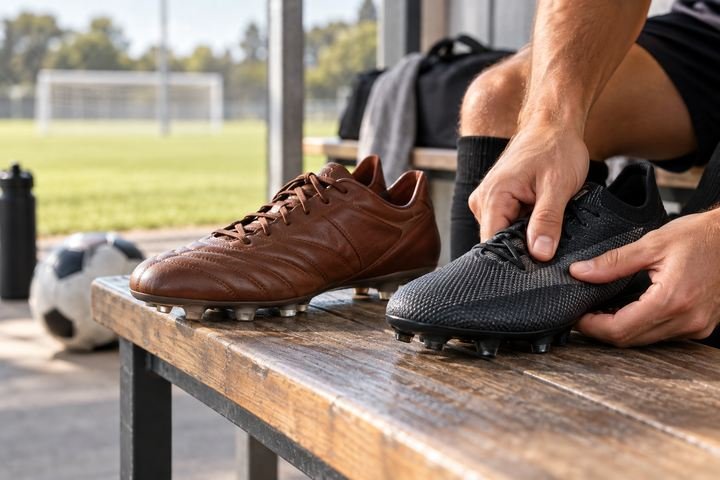
Quick Reference
- Some uppers soften; soleplate length will not grow
- Leather and synthetic materials vary by model
- Try cleats with the socks and insoles used for play
- Pressure relief is different from needing a larger size
- Avoid heat, soaking or force unless the maker directs it
- Stop if pain, numbness or persistent blisters develop
Overview
Expect a Little Give, Not a New Shoe Size

Yes, some soccer cleats stretch or mold modestly as the upper flexes around the foot. The amount depends on the specific material and construction. The rigid outsole and soleplate do not lengthen to make a too-short cleat fit. A little initial snugness can be normal; painful pressure is not a sensible break-in plan.
Nike's fit guidance describes some synthetic uppers as supple with limited room to give and recommends choosing a fit that feels right at try-on rather than imagining a much larger shoe months later. Natural leather often feels more pliable than a rigid synthetic upper, but “leather” alone does not tell you how much a particular model will change.
This page answers whether stretching can solve a fit issue. It does not replace the gradual break-in routine for an already suitable pair or our full cleat fit guide for choosing size and width.
02 / Materials
Leather and Synthetic Uppers Do Not Behave Identically

The upper is the part that can become more comfortable at a pressure point. Natural leather may conform as it bends and softens, though linings, stitching and reinforced panels limit movement. Modern synthetic, knit and coated uppers vary widely: one may feel flexible immediately; another may change very little. A synthetic-leather name is not enough to predict the fit.
| Part or material | Reasonable expectation | Do not expect |
|---|---|---|
| Natural-leather upper | Some softening and contouring at flex areas | A guaranteed full-size increase |
| Synthetic or knit upper | Model-specific flex and minor adaptation | Every synthetic to stretch the same way |
| Reinforced toe or seam | Limited change near structural features | Hard pressure to disappear automatically |
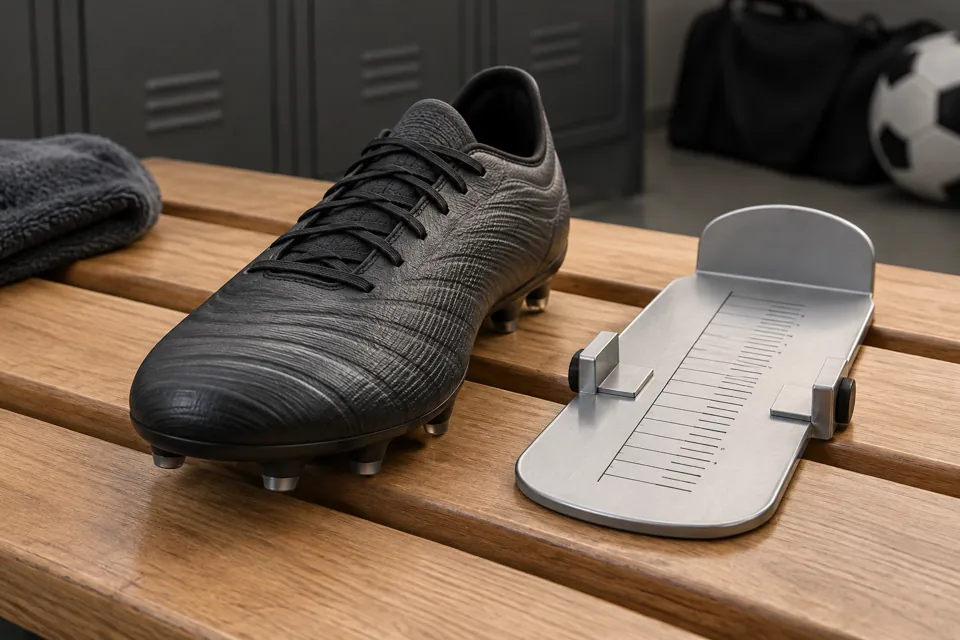
| Rigid soleplate | Maintains the shoe's structural length | More toe room from upper stretching |
Look at the actual product's fit notes and manufacturer care instructions. If possible, try two shapes instead of chasing a material label. A wide forefoot might need a different last, not a prolonged attempt to force a narrow upper outward.
03 / Fit test
Tell Normal Snugness From a Pair That Is Too Small

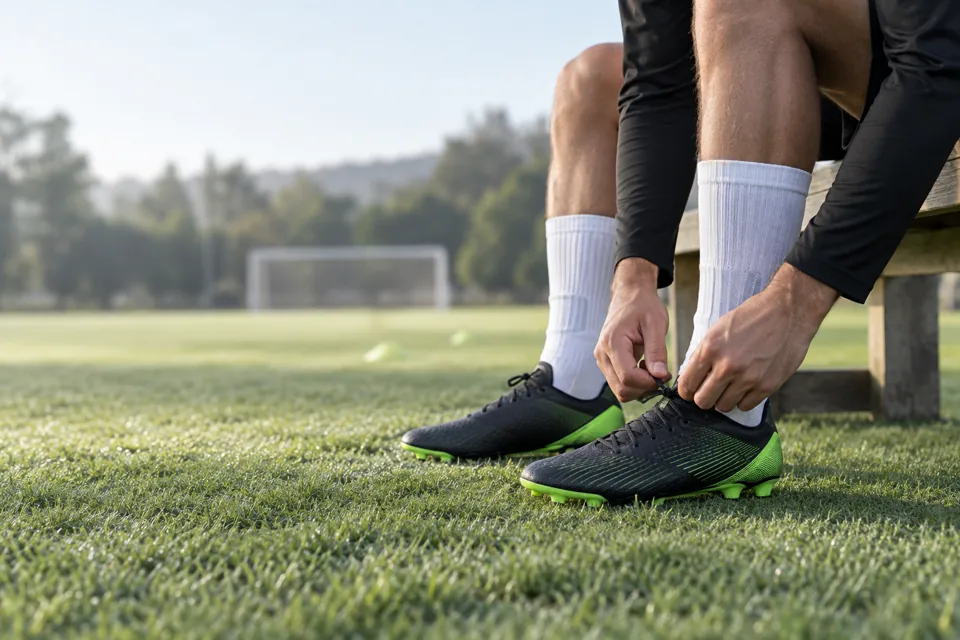
Wear your game socks and usual insole. Stand with weight on both feet, then walk and make a few controlled side steps on a safe surface. Your toes should not be folded or pushed painfully into the front. The heel should feel secure without hard rubbing; the widest part of the foot should sit over the soleplate rather than spilling past it.
- Check the toe area while standing, not only while seated.
- Press lightly along the sides and top: locate any seam or eyelet causing pressure.
- Walk for several minutes and notice whether pressure eases or grows.
- Check for numbness, tingling, hot spots or a heel that lifts repeatedly.
- Compare the next size or another model before deciding to keep the pair.
A firm, even wrap that stays comfortable may soften with normal wear. Sharp pain, compressed toes or persistent tingling means the starting fit is wrong or a health concern needs attention. Do not play a full match to “test” a painful pair. Parents should check children's cleats frequently as feet grow; see the kids' cleat guide.
04 / Small adjustments
Try Fit Adjustments Before Trying to Stretch the Upper

If the length and width are basically right, adjust the laces over a pressure point and check whether the tongue sits flat. Use the socks you actually play in; changing to a very thin sock only to tolerate a tight shoe can hide a poor fit. Follow the manufacturer's instructions if the model has a specific upper or lacing system.
Wear the cleats for short, low-intensity sessions and reassess. The goal is to notice modest softening without creating a blister. Our lacing guide shows ways to redistribute pressure, while the break-in guide covers a gradual sequence. Neither method can create missing toe length.
A specialist shoe stretcher might alter some materials, but the outcome is unpredictable and may damage the upper, bonding or warranty. Contact the brand or retailer before using one. Avoid boiling water, a hair dryer, oven heat, soaking, a freezer bag or forceful tools: there is no universal safe home method for modern multi-material cleats.
05 / Decision
When to Keep the Pair and When to Exchange It

Keep the pair if it was comfortable enough at try-on, the outsole shape matches your foot, the heel stays stable and mild stiffness improves after short sessions. Note the exact pressure spot and the amount of improvement; “it should stretch someday” is too vague to guide a decision.
Exchange or choose another model if your toes cannot lie naturally, a seam digs into the foot, numbness appears, or comfort does not improve during a short return-safe try-on. A different width or upper construction may solve the issue without sacrificing heel hold. Check the retailer's return conditions before using cleats outdoors; worn studs can make a return impossible.
If you need help comparing a pair for one player or a team, browse soccer footwear and send your usual size, foot-width concern and playing surface through the site form or WhatsApp. Ask for the exact model's current sizing and price. The shoe must fit your foot at purchase; no article can promise a precise stretch amount for every model.
FIT DECISION
Use the pressure location to decide what to do
Try the shoes with match socks for a short indoor session before expecting the upper to change. Mild, even snugness at the sides may ease as material flexes. A toe hitting the end, persistent numbness, sharp pressure over a joint or pain under the sole is a different signal. The upper can soften, but it does not reliably add length or correct a mismatched soleplate. Stop the test if discomfort grows.
If the forefoot feels squeezed while length is fine, compare a different last or width. Going up in length may create heel movement without solving the shape. If the heel slides, try lacing adjustments only within a comfortable fit; do not make the shoe painfully tight to compensate. Ask about exchange terms before outdoor wear. A useful break-in period makes an already suitable pair more comfortable; it should not be a gamble that an unsuitable pair will become a new size.
FAQ
Frequently Asked Questions

Will soccer cleats stretch a full size?
Do not count on it. An upper may soften or give slightly, but the soleplate does not lengthen. Exchange a pair that is clearly too short.
Do leather soccer cleats stretch more than synthetic ones?
Natural leather can be more pliable, but lining and construction matter. Synthetic uppers vary too, so check the specific model rather than relying on a material label.
Can I use hot water or a hair dryer to stretch cleats?
Avoid improvised heat or soaking unless the maker explicitly directs it. They may damage bonding, coatings or shape.
How can I tell if cleats are too tight?
Compressed toes, sharp pressure, numbness, persistent tingling or a foot spilling over the soleplate are signs to reassess size or shape.
Will a stretcher fix a narrow soccer cleat?
It may not, especially with reinforced or synthetic areas. Ask the maker or retailer before using a device; a different width or model is often the safer solution.
Summary
Fit First; Let Break-In Make a Good Fit Better

A cleat upper may soften around your foot, but missing length and severe pressure will not disappear through normal wear. Judge the fit with game socks, try minor lacing and short-session adjustments, and switch size or model when pain or numbness persists.
Sources and Further Reading
Fit and upper behavior are model-specific. Follow the current manufacturer's instructions, retailer return terms and professional medical advice for persistent pain.
Product question
Ask About Soccer Gear

Buying one pair or outfitting a team? Tell us your usual size, width concern, playing surface and the pressure point you are trying to solve. We can discuss current models and price; we cannot promise that a tight pair will stretch into a correct size. Open WhatsApp.
Keep reading