GOALKEEPER GEAR
Padded Goalkeeper Jerseys: When Are They Worth Wearing?
A padded goalkeeper jersey is worth considering when you want soft elbow coverage for repeated dives or a firm, abrasive surface. It is optional gear, not a guarantee against injury. Buy for the pad's position, shirt fit and conditions you actually play in.
By bootswave Editorial ·
What a padded jersey adds
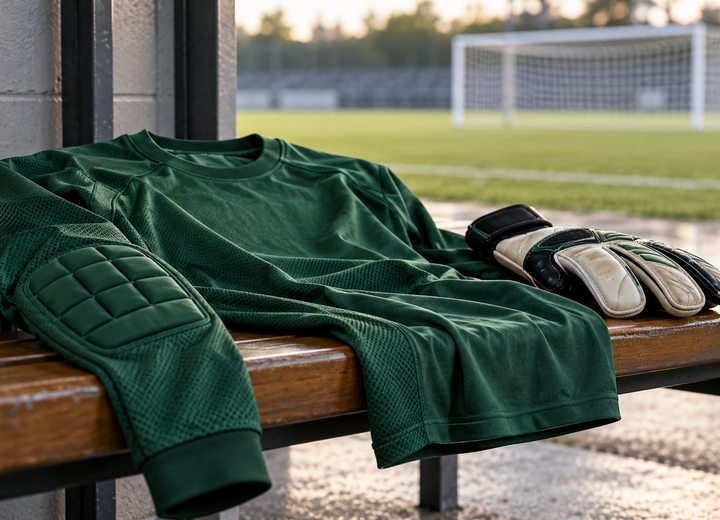
A padded goalkeeper shirt puts a soft layer between part of the arm and the playing surface. The common location is the elbow, but coverage and construction vary by model. uhlsport's goalkeeper range includes tops with elbow padding as well as unpadded options. That product range makes a basic buying point: “goalkeeper jersey” alone does not tell you whether a shirt contains pads.
A padded panel may make contact feel more comfortable to a player, but a manufacturer's product description is not a controlled injury-prevention study. We do not claim that the jersey stops abrasions, prevents elbow injury or makes a hard pitch safe to dive on. If a landing hurts or you have a recurring injury, address the surface, technique and medical question separately from the shirt purchase.
Decide from your surface and playing habits

| Your situation | Why padding may help the choice | What else to check |
|---|---|---|
| Frequent low dives on a firm or abrasive pitch | You may prefer an extra soft layer at the elbows | Actual pad placement when arms extend |
| Occasional play on softer natural grass | A lighter unpadded top may be comfortable enough | Fit, sleeve length and weather |
| Hot conditions or a keeper who dislikes bulk | A thinner shirt may allow a cooler, freer feel | Try both with gloves and base layer |
| Using separate approved arm protection | Built-in padding may be redundant | Rules, layering, movement and cuff overlap |
These are decision scenarios, not tested performance rankings. The surface can influence what feels comfortable, but no shirt fixes an unsuitable or unsafe field. A padded top should also be compared with a keeper's existing layers rather than bought because “more padding” sounds automatically better.
Fit the pad while you move
- Check shirt size and pad location. Put the top on with the base layer you use in matches. The pad should sit over the elbow area rather than shifting onto the upper arm or forearm when you bend.
- Reach and extend. Raise both hands, extend one arm to the side, reach across the body and mimic a controlled low dive. Look for bunching at the shoulder or a hem that rides far up.
- Use your gloves. Fasten your goalkeeper gloves over or beside the cuffs as you normally would. A sleeve that bunches inside a glove strap can distract during catches.
- Compare an unpadded shirt. If the extra layer feels restrictive or too warm, an unpadded top may be a better match for your sessions. The choice depends on your surface, climate and preferences.
Buying online makes pad placement harder to judge. Ask for a clear photo of the inside and outside of each elbow, the fabric and padding description, and a model-specific size chart. “Padded” in a title is too vague if the listing does not show where the pads are.
What match rules say
IFAB Law 4 lists a shirt with sleeves among compulsory equipment and allows non-dangerous, soft, lightweight padded arm protectors. It does not require a padded goalkeeper jersey. The same law requires the goalkeeper's colors to distinguish them from other players and match officials. Your competition may impose additional kit rules, so check with the organizer if padding, an undershirt or a sleeve design is in doubt.
Integrated elbow padding is a garment feature; separate pads are another equipment choice. The law's allowance for soft protective equipment is not an endorsement of every commercially labeled pad. Avoid hard or exposed parts that could be dangerous, and follow the referee's equipment check. If a team is ordering matching goalkeeper shirts, confirm the keeper's color and number rules as well as the padding.
Care and purchase checks
Read the exact garment's care label before washing. Padding inserts and printed numbers can have different care requirements, so do not assume a generic cycle or hot dryer is suitable. Wash dirt out promptly according to the label and inspect stitching around the pad after use. A torn or displaced pad is a reason to reassess the shirt, not proof it still offers the same coverage.
For an individual order, verify the size, sleeve style, pad location, fabric description and available color before asking for a price. Our goalkeeper jersey page shows the category, while the jersey size chart guide explains the base garment fit. A team buyer should collect sizes and kit-color needs, but a single player can also inquire about one shirt.
Common questions
Do goalkeepers have to wear padded jerseys?
No. IFAB requires a sleeved shirt and distinguishable goalkeeper colors; soft, non-dangerous arm protection is permitted, not compulsory.
Does elbow padding prevent injuries?
We cannot make that claim from a product listing. Padding adds a soft layer at the covered area, but fit, landing, pitch and individual factors matter.
Is a padded top always better for artificial turf?
No. Some keepers prefer coverage on abrasive surfaces; others prioritize lighter fabric and unrestricted movement. Try the exact shirt and inspect the actual field.
Sources and limits
- IFAB Law 4: player equipment and goalkeeper colors
- uhlsport: padded and unpadded goalkeeper-top examples
Product examples establish available features, not injury-prevention outcomes. No bootswave shirt has been wear-tested for this guide.
Ask about a shirt
One-shirt inquiries are welcome. Tell us your size, playing surface, sleeve preference and whether you want elbow padding; we can confirm a specific option and price. Message bootswave on WhatsApp.
Published: · Updated:
