JERSEY CUSTOMIZATION
How to Make a Soccer Jersey: Design, Print, and Fit
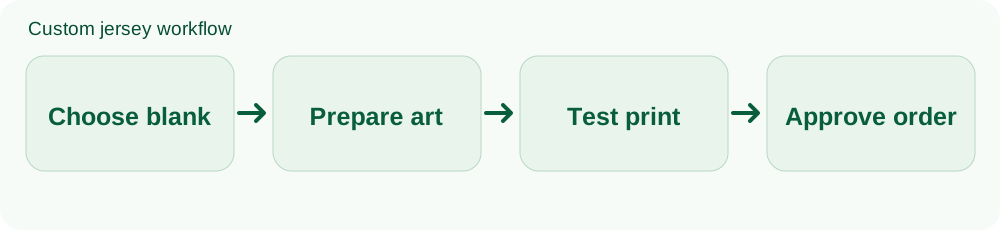
To make a usable soccer jersey, start with the shirt and its size chart, then choose a readable design, obtain permission for any logos, and select a printing method compatible with the fabric. Approve one physical sample before producing a team run. Printing a name onto a blank and constructing a jersey from fabric are different projects; this guide covers the practical custom-shirt route.
By bootswave Editorial ·
Decide what “make” means before buying materials
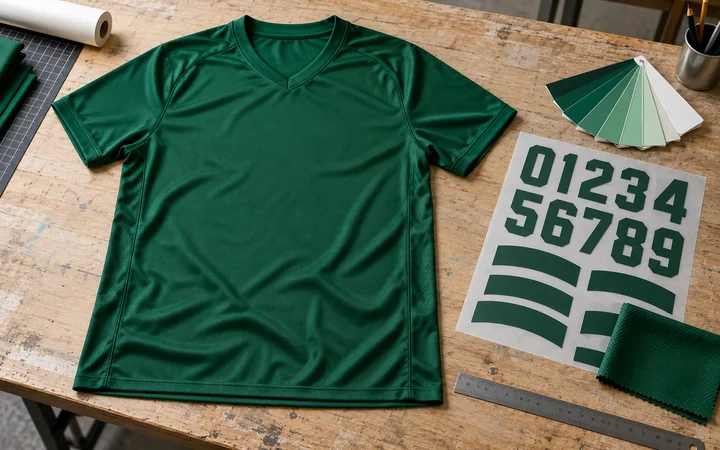
Most players asking how to make a soccer jersey want to customize a blank: choose a shirt, add a color or pattern, then print a name, number, crest, or sponsor. Making the garment from fabric requires pattern making, fabric cutting, sewing, seam finishing, and size grading. Those steps require different skills and equipment. If you need a playable shirt soon, begin with a suitable blank or a manufacturer that produces custom garments. If sewing is your goal, treat the printing advice here as a later stage, not a substitute for a garment pattern.
Write a short brief that says who will wear it, whether it is for games or casual use, how many are needed, when they must arrive, and what details are required. For a single shirt, one name and number may be enough. A team order also needs consistent sizes, numbering, color contrast, and a plan for later replacements. Keep the brief concrete so the printer can tell you what is possible with that exact fabric.
Start with a shirt you can actually size. Record body measurements and check the model's chart rather than assuming every medium is the same. Our jersey size guide explains how to compare body and garment measurements. A beautiful layout cannot rescue a shirt that pulls at the shoulders or hangs too low. If possible, fit-test a blank before adding non-returnable decoration.
Design for the shirt people will actually wear
Choose a base color that works with your shorts and socks. Make names and numbers legible against the background, including when the shirt is moving or wet. Thin lettering that looks elegant on a laptop can disappear from a distance. Test contrast by printing a small mock-up at approximately actual size and viewing it from across a room. For a team, show the design on more than one shirt size; a large graphic may crowd a youth chest even when it fits an adult mock-up.
Keep essential areas clear. A crest, sponsor, number and name compete for limited space, especially on a small shirt. Ask the printer for the maximum safe print area of the selected model. Avoid placing an important graphic across a heavy seam or underarm ventilation panel without a test. Photographs of the actual blank are better than a generic flat template because collar, panels and logo positions vary.
Use artwork you own or have permission to use. A professional club crest, league mark, player image, brand logo or sponsor art may be protected. Buying a blank shirt does not grant rights to reproduce another organization's marks. Obtain an approved file from the rights holder or create original graphics. For official competition play, check your organizer's kit and advertising rules before printing. IFAB Law 4 sets broad clothing and color principles, while competition-specific rules can limit names, numbers, logos and sponsor placement.
Choose decoration by fabric and expected use
Common routes include heat-applied lettering or transfers, screen printing, and designs integrated into a manufactured jersey. Each has trade-offs in minimum quantity, color options, feel, repairability and suitability for the base fabric. There is no single method that always lasts longer or feels better. Ask the provider to specify the actual method and test it on the actual shirt. A one-off name may favor a different workflow from a 30-person team design.
Polyester performance fabric can react to heat, pressure and dye. Stahls' performance-wear handbook advises checking the fabric and testing an application before production. Its dye-migration guidance explains why a dark polyester base can discolor a light print under some conditions. These are manufacturer printing guides, not evidence that every jersey will have the problem. Ask your printer what transfer and test method they use for your exact blank.
A home iron can look inexpensive, but uneven heat and pressure can make a transfer fail or damage a performance shirt. Do not invent a universal temperature or time setting; follow the decoration supplier's instructions for the particular material and press. If you have never printed on the blank, buy an extra test piece. Record the settings used for a successful sample so replacements can be made consistently.
Approve a sample before producing the full order
Inspect one finished shirt in the correct fabric and color. Confirm the name spelling, number shape, position, color, and alignment while the shirt is flat and when a person wears it. Check that seams and ventilation zones are not distorted. Wash the sample once according to the garment and print instructions, then look for peeling, color bleed, or a rough edge. A sample is a practical check, not proof that every shirt will last for a fixed number of seasons.
For a team, create a list with player name, number, size, and any special fit request. Have each person or parent verify their own entry before production. Confirm whether the printer can reorder a single matching shirt later and whether that blank color is likely to remain available. Ask how changes are handled after artwork approval. A late size change may be simple before printing and impossible after a custom name has been applied.
Compare the full cost: blank shirt, artwork setup, number and name, shipping, and any sample charge. A per-shirt quote may fall as quantity increases, but a large order can still be more expensive overall. If you only need one, ask whether a one-piece order is accepted. bootswave can discuss one jersey or a team batch through our contact page or WhatsApp; send the garment style, desired sizes, design files you have rights to, delivery country, and deadline so we can confirm options and price. Do not assume a pictured club jersey is available or licensed for customization.
Common questions
Can I make one custom soccer jersey?
Often yes, depending on the blank, printing method and seller. Ask about one-piece availability, setup cost, sizing, and return terms before paying.
Can I print a professional team's logo on my own shirt?
Do not assume you have permission. Use original art or obtain authorization from the rights holder, especially if you will sell or publicly distribute the shirt.
Is a sample necessary for a small order?
For one shirt, the finished piece itself is the sample. For a team run, a physical proof is a useful way to catch fit, placement and print issues before they affect every player.
The practical answer
Choose a shirt that fits, build a readable design using art you can legally use, and test the exact fabric-print combination. Approve a real sample and a checked name-number-size list before production. The sequence makes a custom jersey more predictable than choosing a graphic first and solving fit later.
Sources and scope
This guide combines published manufacturer guidance and editorial decision steps. It is not a hands-on test of a particular bootswave product. Product instructions and venue rules for your exact model take priority.
Ask about a product
You can ask about one pair or one jersey. Tell us the style, size, delivery country and your question; we can confirm options and price. Message bootswave on WhatsApp or use this form.
Published: · Updated:
